

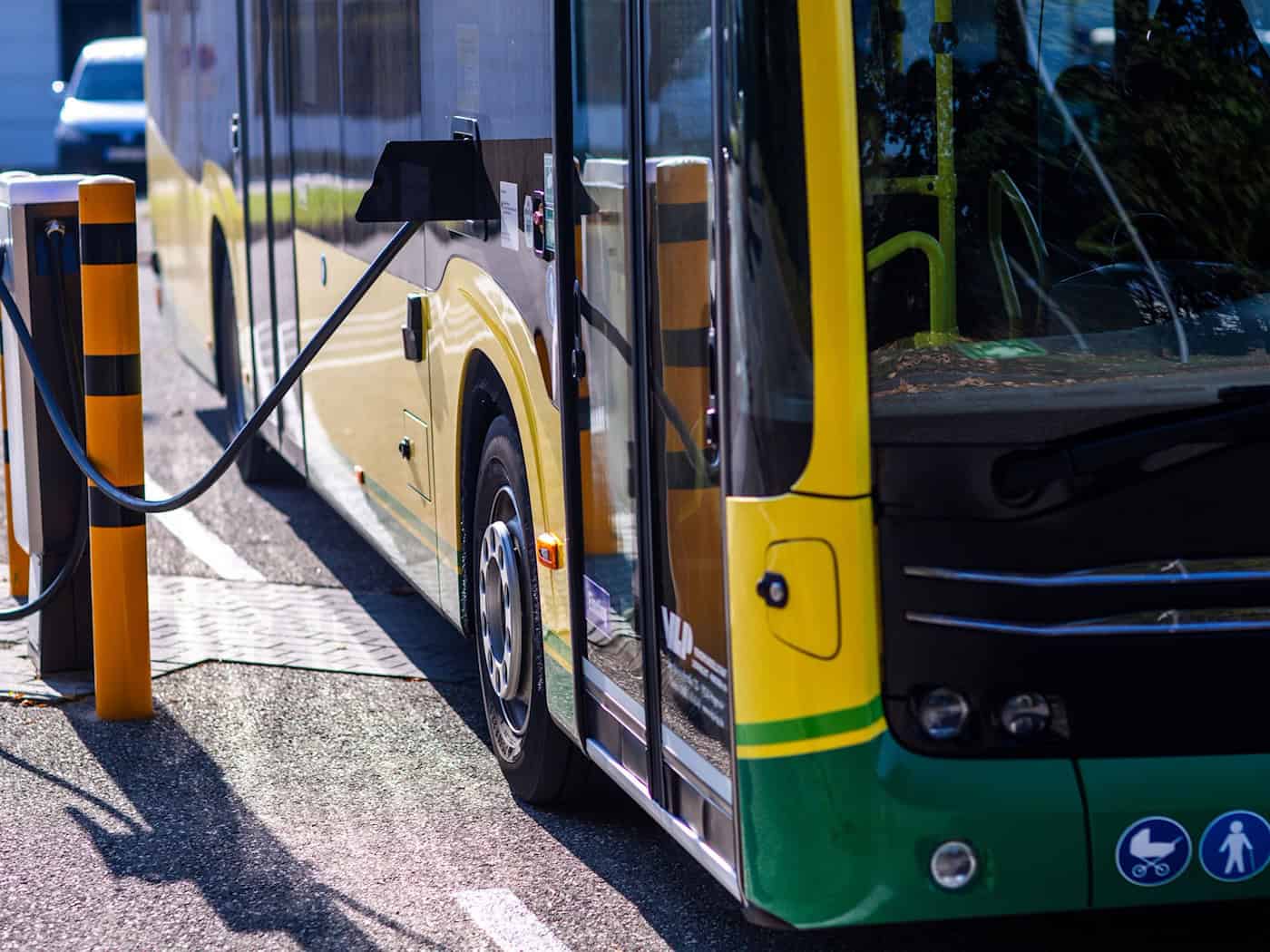
The German Environmental Aid Association (DUH) is calling on German cities to increase their use of electric buses. In a comparison of Germany’s 40 largest cities, only Mannheim, Freiburg, and Karlsruhe have more than half of their buses powered by batteries, the DUH reported. The survey’s cutoff date was December 31, 2025. Leipzig leads the way among major cities in eastern Germany with an electric bus share of 19.6 percent. According to the report, Dresden has a rate of about 11 percent, Halle just over 6 percent, and Erfurt just under 4 percent. Magdeburg, on the other hand, ranks among the lowest with an electric bus rate of zero—as do Augsburg, Essen, and Wuppertal. Overall, according to the data, nearly 80 percent of the buses in the surveyed major cities are still diesel-powered. Nearly half of the cities plan to purchase new diesel buses between 2026 and 2030. The DUH criticized the fact that diesel buses with emissions standards below Euro V are still in use in Erfurt’s public transit system. “Their nitrogen oxide emissions are many times higher than those of modern Euro VI vehicles. Especially in densely populated urban traffic, this means that thousands of people are directly exposed to these harmful exhaust fumes.” In Thuringia’s state capital, more than half of all newly purchased buses are expected to be combustion-engine buses in the coming years. Halle, on the other hand, plans to purchase only combustion-engine buses. According to reports, just over six percent of the buses on the roads in the city on the Saale are electric. Magdeburg stated that it has no plans for new purchases. Copyright 2026, dpa (www.dpa.de). All rights reservedDiesel buses with substandard emissions standards still in use in Erfurt


