

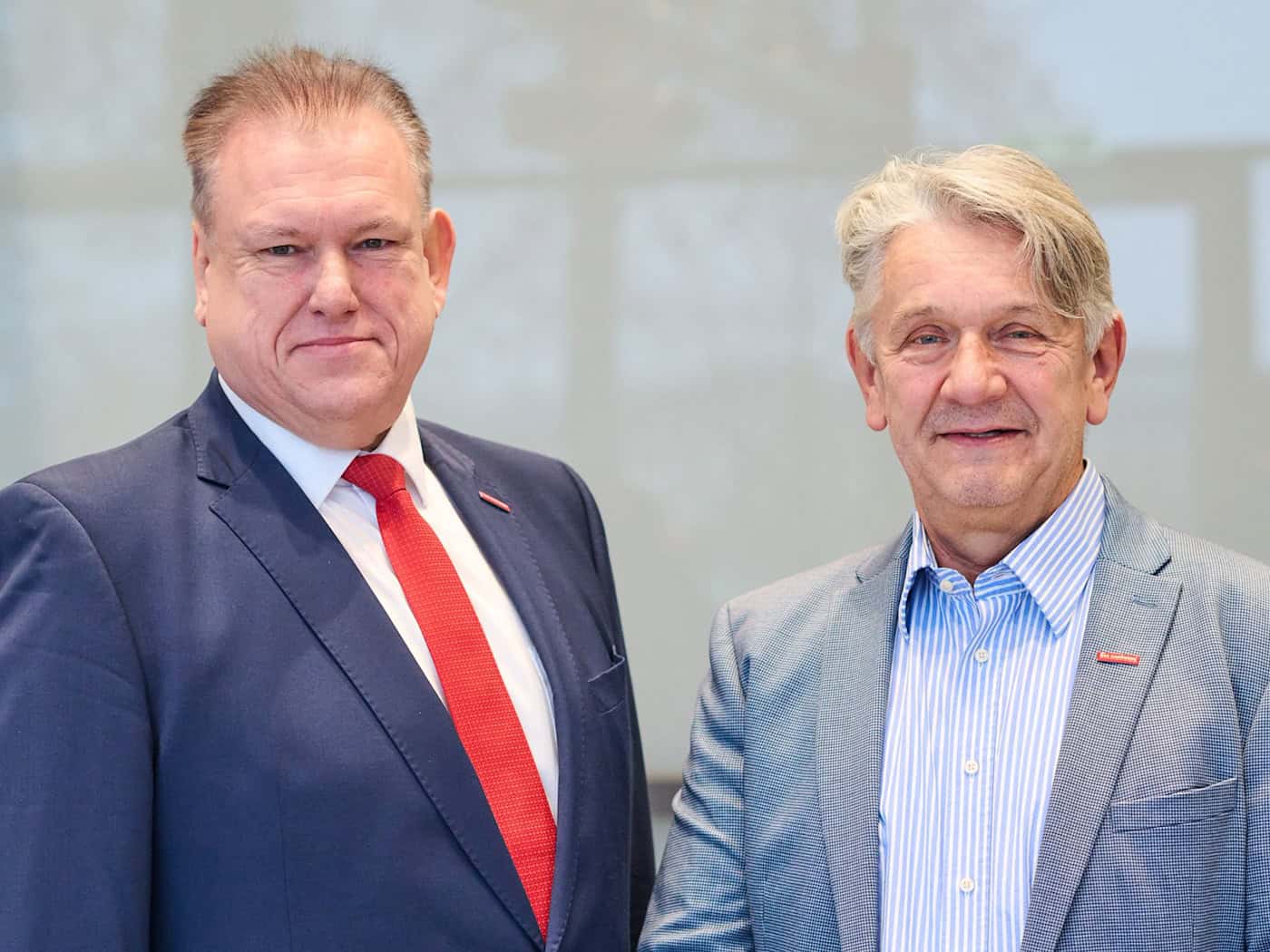
The mood among Saxony’s skilled trades remains low. “We are, after all, in the so-called ‘second fall’ of the reforms, and the first one was—to be honest—a major disappointment for us in the skilled trades. Apart from announcements, not much of substance has happened,” said Uwe Nostitz, president of the Saxon Skilled Trades Association, as he introduced the analysis of the latest economic survey. Conclusion: The skilled trades sector is treading water. According to Nostitz, relief measures and efforts to reduce bureaucracy have not yet reached businesses. “With regard to the federal government, we are currently very concerned that the reforms will fall by the wayside—or be watered down to the point where they won’t work. We don’t have any more time.” Every member of the Bundestag must ask themselves whether they are doing enough to move the country forward. 1,374 businesses participated in an economic survey. According to the survey, 40 percent rated their current business situation as good—three percentage points more than in the fall of 2025. In 2019, the figure was still 70 percent at this time of year. Only 8 percent expect business conditions to improve. By contrast, according to the survey, one-quarter anticipate a further downturn in the economy. According to Nostitz, research institutes have raised their economic forecasts for Germany. The economic upturn forecast for the economy as a whole is bypassing the skilled trades sector. “Above all, the political stalemate at the federal level is weighing on sentiment across the entire skilled trades sector.” Confidence in political leaders has been damaged. This is reflected in expectations for the coming months. “They’re at rock bottom.” Nor are the negotiations on Saxony’s two-year budget generating much enthusiasm among the skilled trades, the president said. “About a quarter of all Saxons are directly or indirectly connected to the skilled trades. We are therefore a key economic sector for the Free State. And we have clear ideas on how the skilled trades can regain momentum here in Saxony.” It remains unclear how many businesses are threatened with closure. There has been no significant rise in bankruptcies, but rather a slow decline, said Andreas Brzezinski, spokesperson for the executive board of the Saxon Skilled Trades Association. Businesses are closing “quietly”—not filing for bankruptcy, but simply shutting down. The Saxon Skilled Trades Association made several demands of policymakers. Bureaucracy and non-wage labor costs must be reduced. High social security contributions are a major driver of labor costs. “The political goal must be to return to a tax-to-GDP ratio of 40 percent. That’s what we were promised before the election.” Currently, the ratio is heading toward 50 percent. Nostitz pointed out that spending on education and research in Saxony is set to rise by around 600 million euros to 8.7 billion euros in 2028. Vocational training must also benefit from this increase. “Vocational schools, inter-company training centers, and practical career guidance need reliable funding.” Another demand concerns support for business succession. According to Nostitz, approximately 19,000 skilled trades businesses in the Free State are set to be handed over in the next ten years. New incentives for business succession are needed. “Fewer than 20 percent of master craftsmen who graduate go into business for themselves in the Free State. The startup scene needs new impetus.” Other points in the skilled trades sector’s list of demands concern accelerating the modernization of the state, strict staff reductions in the state administration, and fiscal policy. New debt should be limited to investments that create long-term economic and infrastructural benefits, they said. Therefore, decisions are already needed in the 2027–28 biennial budget that will reduce financing needs after 2028. At the same time, the Skilled Trades Association called for a stronger focus on future needs. Demographic change, characterized by a declining population, must be shaped and managed. An interagency strategy is needed for the dismantling of structures. “Shrinkage must not simply be observed. It must be managed intelligently. That means concentrating resources where structures are viable,” said Nostitz. His colleague Brzezinski added: “Away from pure growth planning—toward actively managing population decline. And this is exactly the debate we need in Saxony.” If you lose a significant amount of weight, you need a smaller suit. Skilled immigration can cushion the impact of demographic change, but it cannot stop it. Depending on the forecast, there could be 600,000 fewer people living in Saxony by 2045. “This is a reality that policymakers must face,” said Brzezinski. The Saxon Skilled Trades Association currently represents more than 54,000 skilled trades businesses, which employ approximately 280,000 people. Total revenue last year was around 36 billion euros. Copyright 2026, dpa (www.dpa.de). All rights reservedRelief measures have not yet reached businesses
Trust in politics has been damaged
The Slow Demise of Many Businesses
The skilled trades sector needs incentives for business succession
Focus on Demographics: Saxony Needs a Decommissioning Strategy


