

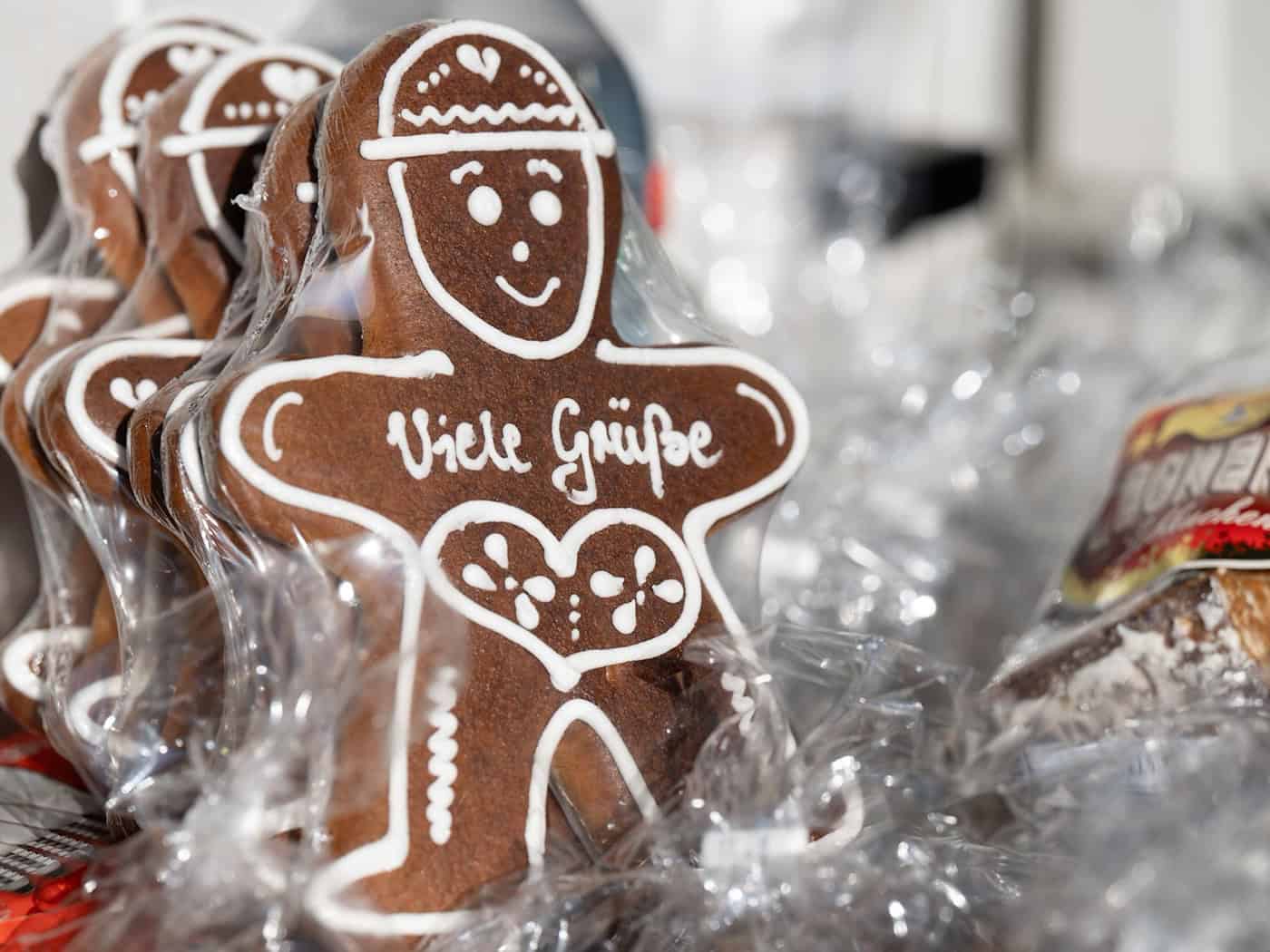
Three months before Christmas, production is in full swing at the Pulsnitz Gingerbread Bakers. They bake all year round, as Peter Kotzsch, guild master of the Pulsnitz Gingerbread Bakers, explains. “But the last quarter is when we see our biggest sales.” The peak sales season kicks off with the gingerbread market on the first weekend of November, which has been held since 2003 and attracts thousands of visitors each year. At the Löschner gingerbread bakery, founded in 1813 and managed by Kotzsch, the nine employees produce about 30 different types of gingerbread—with or without icing or chocolate, shaped like cobblestones or filled lace cookies. There are a total of nine family-run businesses in Pulsnitz that specialize in gingerbread. The pastry has a tradition dating back over 450 years in the small town northeast of Dresden. In 1558, bakers in Pulsnitz were granted the privilege of producing gingerbread. Over the centuries, the composition of the basic dough has remained virtually unchanged. It consists solely of flour, honey or artificial honey, and leavening agents, and contains no eggs or fat. The dough is stored in oak barrels for up to six weeks before being processed further—in each bakery according to a traditional family recipe. The nine gingerbread bakeries belong to the Saxon Bakers’ Guild as a separate guild within the State Association of the Saxon Bakers’ Trade. This association of artisanal businesses specializing exclusively in the gingerbread trade is unique in Germany. Copyright 2026, dpa (www.dpa.de). All rights reservedDough recipe unchanged for centuries


