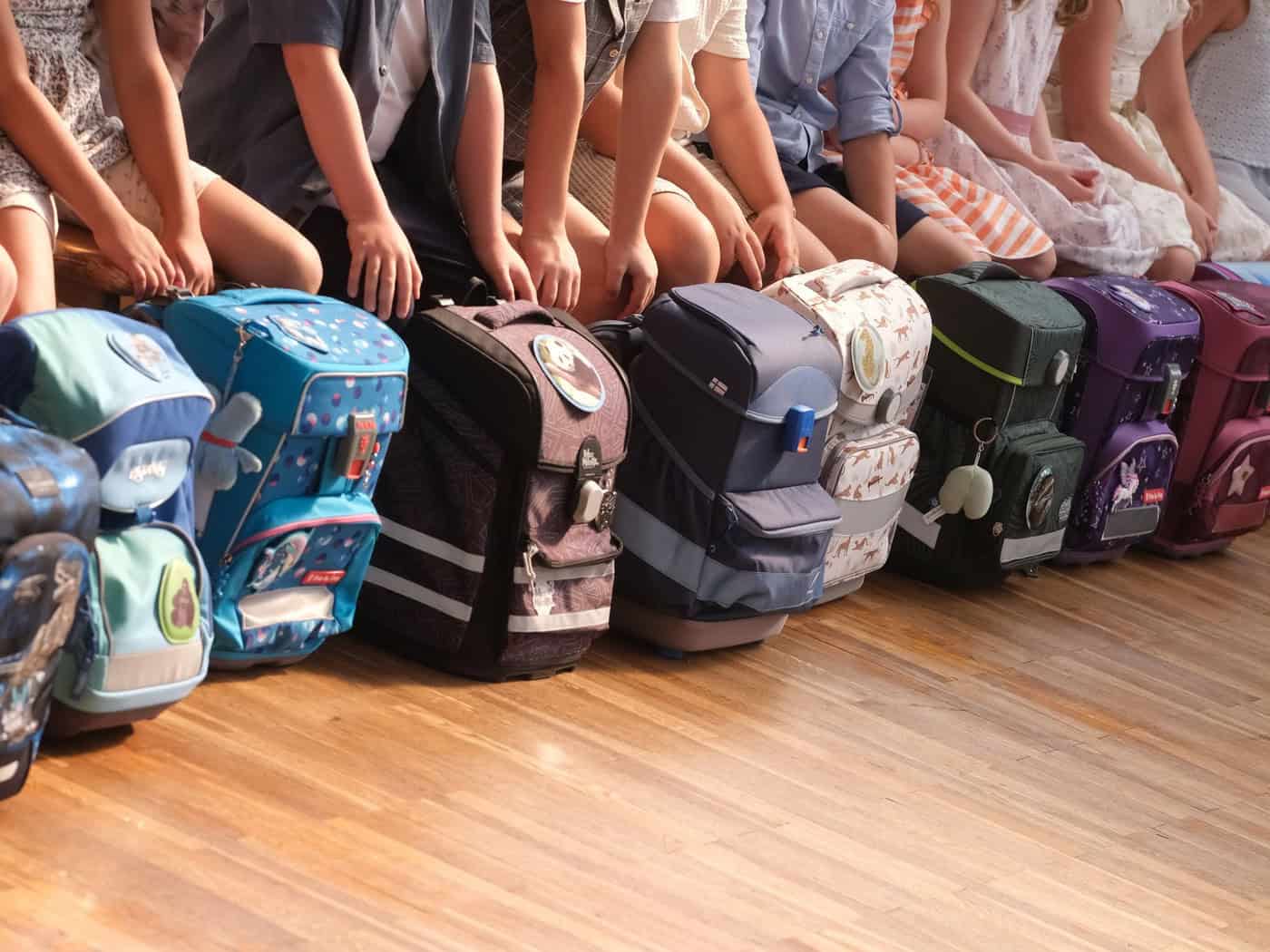
Although the number of students in Saxony is declining, the demand for teachers remains high. In the current 2026–2027 school year, the Free State is short nearly 1,300 full-time teachers, according to data from the Ministry of Education and Cultural Affairs. This is roughly in line with previous years, with about 1,150 unfilled full-time positions in the 2025/2026 school year and about 1,380 unfilled positions in the 2023/2024 school year. At the same time, the number of students declined again and currently stands at 436,980—that’s about 3,430 fewer than the previous year, a decrease of 0.8 percent. The decline is felt most acutely in elementary schools, which lost 4,780 students. The strongest increases were recorded in secondary schools, with 1,090 more students, and special education schools, with 642 more. At the same time, the Free State hired an estimated 1,000 full-time teachers, with another 900 set to join in February, as Minister of Education Conrad Clemens (CDU) announced when presenting the figures. According to the data, for the past ten years, more new teachers have been hired than have left the teaching profession. In addition, the Ministry of Education is relying on the temporary reassignment of teachers to relieve schools with particularly high needs. As a result, an estimated 340 full-time positions were reassigned to high schools and an estimated 80 full-time positions to special education schools. According to Clemens, the reason the gap in unfilled positions is not narrowing despite these measures is due to ever-smaller class sizes and the rising proportion of students with special needs. For example, the average class size decreased from 21.0 to 20.7 students. The shrinking student population is also not reflected in the number of classes: The decrease of 53 classes in elementary schools was offset by the creation of 53 new classes in secondary schools and evening schools. Special education schools added 210 new classes—here, the rising proportion of students with special educational needs within the total student population is evident. In total, approximately 33,400 children and adolescents are enrolled in special education schools or receive inclusive education. That represents 7.7 percent of students in Saxony, an increase of 0.5 percentage points in the 2025–2026 school year. As in other federal states, Saxony is seeing an increasing number of children with issues related to intellectual development, emotional and social challenges, and learning difficulties, Clemens explained. Copyright 2026, dpa (www.dpa.de). All rights reservedFewer Students, More New Teachers
Smaller classes and more students with special needs are driving high demand for teachers