

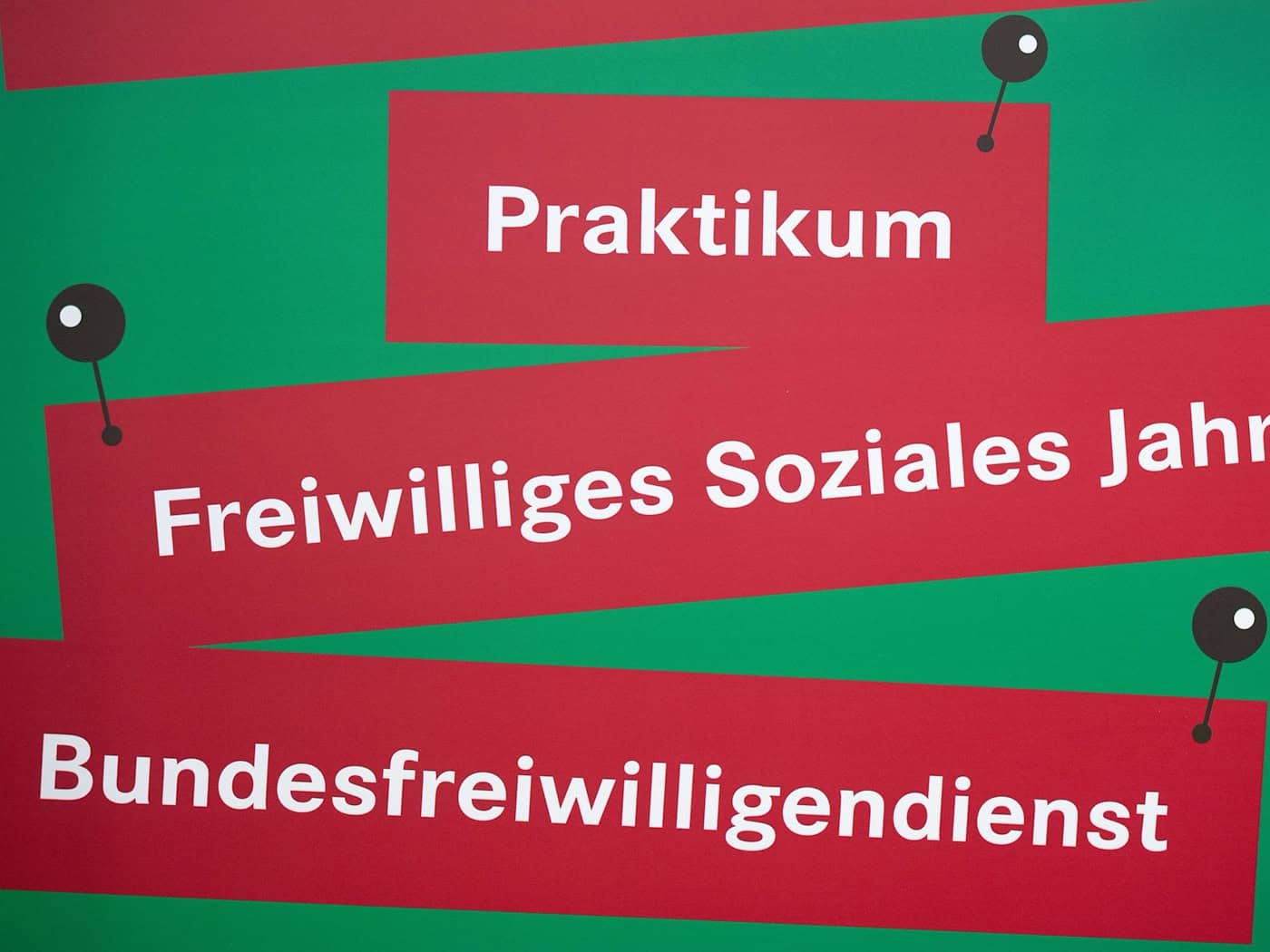
Interest in volunteer service in Saxony remains strong. Especially in the major cities, not all requests can be matched, said Maria Hille, spokesperson for the Paritätischer Wohlfahrtsverband Sachsen. There are no concerns about a shortage of young volunteers, but rather problems at the placement sites. For example, there is a certain reluctance among daycare centers in particular due to declining numbers of children. This Tuesday alone, 400 young men and women will begin their service with the Paritätische Volunteer Services in Saxony. They will be working at social, environmental, and other public-interest organizations. “Volunteer services offer people the opportunity to take on responsibility, gain practical experience, and explore different areas of life and work,” the statement said. At the same time, volunteers make a concrete contribution to society. “For many volunteers, this service is an important orientation phase. They gain insights into a wide variety of professions and fields of work and learn what it means to work as part of a team,” emphasized Gernot Mosig, division head of the Paritätische Volunteer Services. At Diakonie, 145 young people between the ages of 15 and 26 will begin their volunteer service on Tuesday. They will be assigned to care facilities, hospitals, daycare centers, facilities for people with disabilities, programs serving people with mental health conditions, as well as church congregations and Protestant youth organizations, among other places. Interest in social engagement remains high, officials said. “Some come with a clear idea: They want to explore a career, do a pre-internship, or make use of the time between high school and college. Others have no idea yet where their path will lead. Both are perfectly fine,” explained Susanne Wolf-Dechandt, who is responsible for this area at Diakonie Saxony. Volunteer service offers the opportunity to test the waters, take on responsibility, and gain important life experiences. According to Diakonie, whether a position can be offered also depends on funding. Depending on the funding model, the placement sites would cover the majority of the costs for pocket money, social insurance, and educational benefits. “It is now crucial that there are enough funded placement opportunities available. To achieve this, the federal government must provide the necessary funds. States and municipalities also contribute to the funding of volunteer service programs,” urged Diakonie Director Dietrich Bauer. Starting in September, the allowance will increase to 450 euros per month. “More allowance is the right thing to do. But it must not lead to fewer volunteer placements,” said Bauer. The Paritätische pointed out that volunteer services have become more flexible and diverse in recent years. The programs have adapted to the needs of applicants. This means volunteers can start any month and decide for themselves whether they want to commit for six months, a full year, or longer. Most, however, would choose one year. In addition to the Voluntary Social Year (FSJ) and the Voluntary Ecological Year (FÖJ), there is also the Federal Volunteer Service (BFD). In the Voluntary International Year, the service takes place abroad. The Volunteer Service for All Generations is another program. It offers flexible part-time work for up to 20 hours per week. Students aged 13 and older can participate in volunteer work alongside their school studies through the “Jugend engagiert sich” program. Copyright 2026, dpa (www.dpa.de). All rights reservedGaining experience, exploring potential career paths
Assignments in hospitals, daycare centers, or nursing homes
Young people want to make use of the time between high school and college
Diakonie Calls for Reliable Funding
Volunteer programs have adapted to the needs of young people


