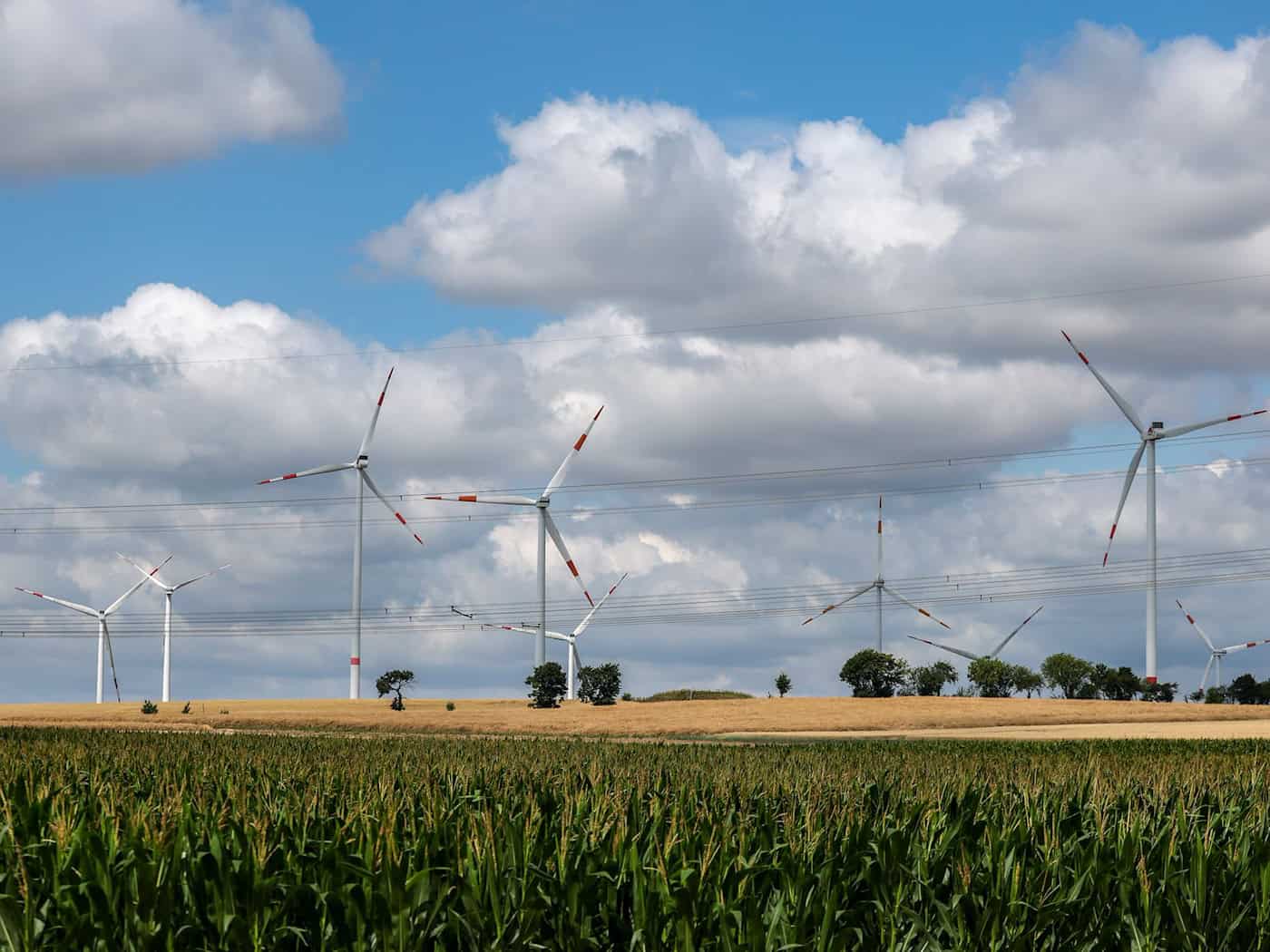
Saxony wants to catch up significantly in the expansion of wind energy. According to the Ministry of Energy, 139 wind turbines with a total capacity of 882 megawatts are currently in the approval process. A noticeable increase in electricity generation from wind power is therefore to be expected in the coming years. The occasion is a meeting of the federal-state wind energy initiative in Dresden. Around 40 experts from the federal government, federal states and federal authorities are coming together for the two-day meeting. Among other things, they will discuss how planning and approval procedures can be accelerated and how obstacles to the expansion of wind energy can be removed. Saxony's Minister for Economic Affairs and Energy, Dirk Panter, still sees a lot of catching up to do. "The expansion of renewable energies is necessary in order to become less dependent on fossil fuels," said the SPD politician. Currently, only 0.3 percent of the state's land area is used or designated for wind energy. At the same time, Panter referred to the progress made in terms of approvals. In the first quarter of 2026 alone, new wind turbines with a capacity of 211 megawatts were approved. That is more than in the whole of 2025 with 210 megawatts. The background to this are nationwide targets for the expansion of wind energy. By 2027, 1.3 percent of Saxony's land area is to be designated for wind energy, and two percent by 2032. If these targets are not met, wind turbines could be approved much more easily in outdoor areas in future under current federal law. Panter also emphasized the importance of local acceptance. "Of course, nobody should be surrounded by wind turbines in future. We must not lose sight of the interests of local residents." It is not about speed at any price, said the Minister. Municipalities would therefore participate in the profits from wind and solar parks via a state law. This should keep part of the added value in the affected regions. Copyright 2026, dpa (www.dpa.de). All rights reservedSaxony still has a lot of catching up to do
Federal government sets binding area targets